Daily Relief and Symptom Support
Menopause Comfort Tips – Simple Relief for Difficult Days
Menopause comfort tips can help you get through difficult days when hot flashes, night sweats, sleep disruption, bloating, mood shifts, low energy, body discomfort, or stress make daily life feel harder than usual.
This guide focuses on simple relief strategies you can use at home, plus practical reminders about when symptoms deserve medical guidance instead of being ignored or brushed off.
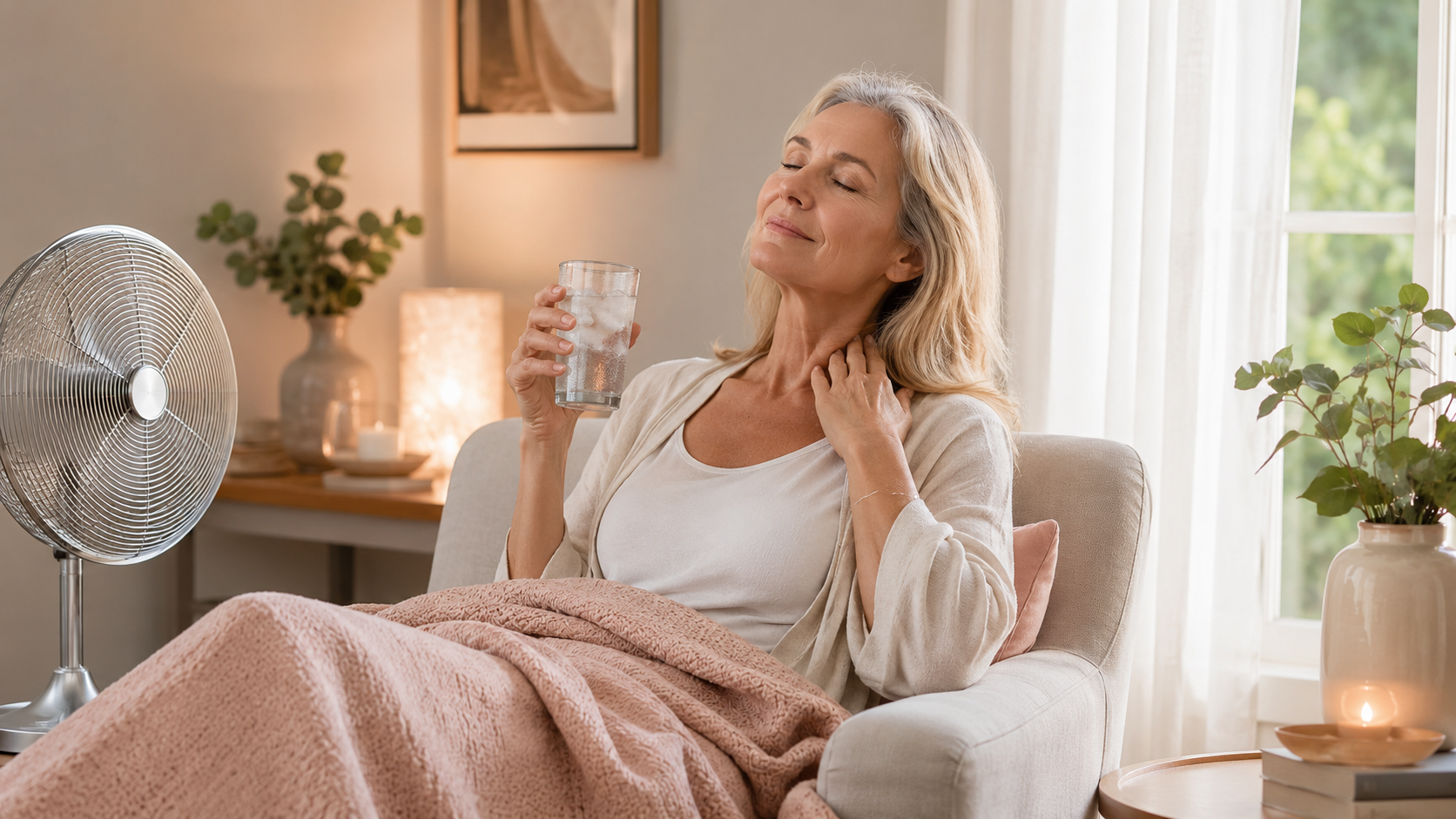
Menopause Comfort Tips: Simple Quick Answer
Menopause comfort tips are small, practical steps that can help you feel more comfortable during symptom flares. They are not a cure for menopause, and they should not replace medical care when symptoms are severe, but they can make daily life feel more manageable.
Helpful comfort strategies may include dressing in layers, keeping a fan nearby, cooling your bedroom, using breathable bedding, drinking cold water, tracking triggers, building a calming bedtime routine, eating steady meals, moving gently, and asking for medical help when symptoms are affecting sleep or daily life.
The best menopause comfort tips are realistic. A comfort plan should not require perfection, expensive products, or a complete lifestyle overhaul. It should give you simple tools you can use when your body feels hot, tired, bloated, achy, overwhelmed, or uncomfortable.
For official symptom information, the Office on Women’s Health menopause symptoms and relief guide explains that menopause symptoms can include hot flashes, sleep problems, mood changes, vaginal discomfort, and irregular periods.
Comfort matters. Menopause may be natural, but feeling miserable every day should not be treated like something you simply have to tolerate.
Why comfort planning helps
Menopause symptoms can show up at inconvenient times. A hot flash may happen while you are working, sleeping, shopping, driving, or trying to relax.
Having a few comfort tools ready can lower stress because you are not scrambling for relief after symptoms already feel intense.
Menopause Comfort Tips for Hot Flashes
Hot flashes can feel like a sudden wave of heat through the upper body. Some women also notice sweating, flushing, a racing feeling, or chills afterward. When hot flashes happen often, they can affect confidence, sleep, work, and daily comfort.
Simple cooling support may help. Dress in layers so you can remove clothing quickly. Keep cool water nearby. Use a small fan at your desk, near your bed, or in the room where you spend the most time. Choose breathable fabrics when possible.
Trigger tracking can also help. Some women notice more hot flashes with alcohol, caffeine, spicy foods, stress, overheated rooms, hot drinks, smoking, or poor sleep. Triggers are personal, so the goal is not to fear everything. The goal is to learn your pattern.
Quick cooling ideas
- Wear light layers
- Keep a fan nearby
- Drink cool water
- Use breathable fabrics
- Step into cooler air when possible
- Track personal triggers
Related support
If hot flashes are frequent, read the hot flashes in menopause guide and the natural menopause relief page for more targeted support.
Menopause Comfort Tips for Night Sweats and Sleep
Night sweats can make sleep feel impossible. You may wake up hot, damp, chilled, frustrated, or wide awake. Even if you fall back asleep, repeated waking can leave you tired the next day.
Start with the sleep environment. Keep the bedroom cooler, choose breathable bedding, wear lightweight sleep clothes, keep a cool drink nearby, and consider layering bedding so you can adjust without fully waking up. NIA suggests lowering the bedroom temperature and trying small amounts of cold water before bed when hot flashes keep you up at night.
If night sweats happen often, soak clothing or bedding, or come with fever, weight loss, chest pain, severe fatigue, or other unusual symptoms, ask a healthcare provider. Night sweats can be related to menopause, but they can also overlap with medical issues or medication effects.
Comfort Support for Bloating, Body Aches, and Stiffness
Menopause comfort tips are not only about hot flashes. Many women also need comfort support for bloating, joint aches, stiffness, muscle tension, body changes, headaches, and low energy.
Gentle movement can help some women feel less stiff. A short walk, light stretching, slow mobility work, or a warm shower may help the body feel less locked up. If bloating is part of the problem, steady meals, hydration, fiber, and noticing food patterns may help.
Comfort does not mean ignoring pain. If pain is severe, new, one-sided, paired with swelling, or limiting daily life, get medical guidance. If bloating is persistent, painful, or comes with vomiting, unexplained weight loss, blood in stool, or new bowel changes, it should be checked.
Bloating
For puffiness and digestive discomfort, visit the menopause bloating guide.
Joint Pain
For stiffness and aching, visit the menopause joint pain guide.
Body Changes
For shape, strength, skin, and confidence, visit the menopause and body changes guide.
Menopause Comfort Tips for Stress and Mood
Stress can make menopause symptoms feel harder to manage. It may not cause every symptom, but it can affect sleep, patience, hot flash intensity, cravings, tension, headaches, and emotional resilience.
A comfort routine can be simple. Try slow breathing, a short walk, quiet time, prayer, journaling, music, stretching, stepping outside, or reducing stimulation before bed. The goal is to help your nervous system settle instead of staying in constant alert mode.
Mood changes deserve care too. If anxiety, sadness, irritability, panic, or hopelessness becomes intense, do not treat it like a character flaw. Menopause can overlap with real mental health concerns, and support is available.
Healthy Eating Comfort Without Strict Dieting
Food can be part of comfort, but it should not become punishment. During menopause, harsh dieting can make fatigue, cravings, mood swings, and muscle loss worse. A comfort-focused eating plan should support energy, digestion, hydration, muscle, and steadier blood sugar.
Try building meals around protein, fiber-rich foods, colorful plants, healthy fats, and enough water. If certain foods seem to worsen hot flashes, bloating, reflux, or sleep, track them for a few weeks instead of guessing.
For more food-related support, use the menopause diet tips, menopause and metabolism, menopause weight gain, and menopause belly fat guides.
Menopause Comfort Tips: Build a Simple Comfort Kit
A comfort kit is a small collection of items or routines that help you respond quickly when symptoms flare. It does not have to be expensive. The best comfort kit is the one you will actually use.
Cooling support
Keep a small fan, cool water, light layers, breathable sleepwear, or a cooling cloth where you need them most.
Sleep support
Use breathable bedding, a cooler room, a bedtime routine, and symptom notes if night sweats or waking continue.
Body comfort
Try gentle stretching, short walks, warm showers, hydration, and steady meals when stiffness or bloating shows up.
Medical backup
Keep notes on symptoms that disrupt sleep, work, mood, intimacy, or daily function so you can discuss them clearly.
Menopause Comfort Tips: Related Support Pages
Use these guides when one symptom needs more focused help.
When Comfort Tips Are Not Enough
Menopause comfort tips can help with daily relief, but they should not be used to avoid medical care when symptoms are strong. If symptoms are disrupting sleep, work, mood, relationships, intimacy, or daily function, a healthcare provider may be able to offer more support.
Ask for medical guidance if you have heavy bleeding, bleeding after menopause, chest pain, fainting, severe shortness of breath, new weakness, severe headaches, new heart palpitations, severe depression, painful intimacy, frequent urinary symptoms, or symptoms that feel unsafe.
You can also ask about nonhormonal options, hormone therapy when appropriate, vaginal treatments, sleep evaluation, medication review, or testing for thyroid issues, anemia, diabetes, vitamin deficiencies, or other causes based on your symptoms.
Comfort tools are helpful, but your body deserves real care when symptoms are severe, sudden, worsening, or concerning.
Menopause comfort tips should make hard days easier.
Use simple relief tools for heat, sleep, stress, bloating, body aches, and low energy, but do not hesitate to ask for medical help when symptoms are disrupting your life.
Important Health Note
This page is for educational purposes only and should not replace medical advice, diagnosis, or treatment. Menopause symptoms can overlap with medical conditions that need care. Speak with a qualified healthcare provider if symptoms are severe, sudden, worsening, disruptive, or concerning.
This website may include affiliate links. If you purchase through certain links, Midlife Comfort Lab may earn a small commission at no extra cost to you. You can review the Privacy Policy and Amazon Affiliate Disclosure for more information.