Energy and Daily Support
Menopause Fatigue
Menopause fatigue can feel draining, frustrating, and hard to explain when you are sleeping but still waking tired. You may feel heavy, foggy, unmotivated, or like your energy disappears faster than it used to.
This guide explains why menopause fatigue may happen, what daily habits can help, how sleep and hormones affect energy, and when tiredness deserves a doctor visit.
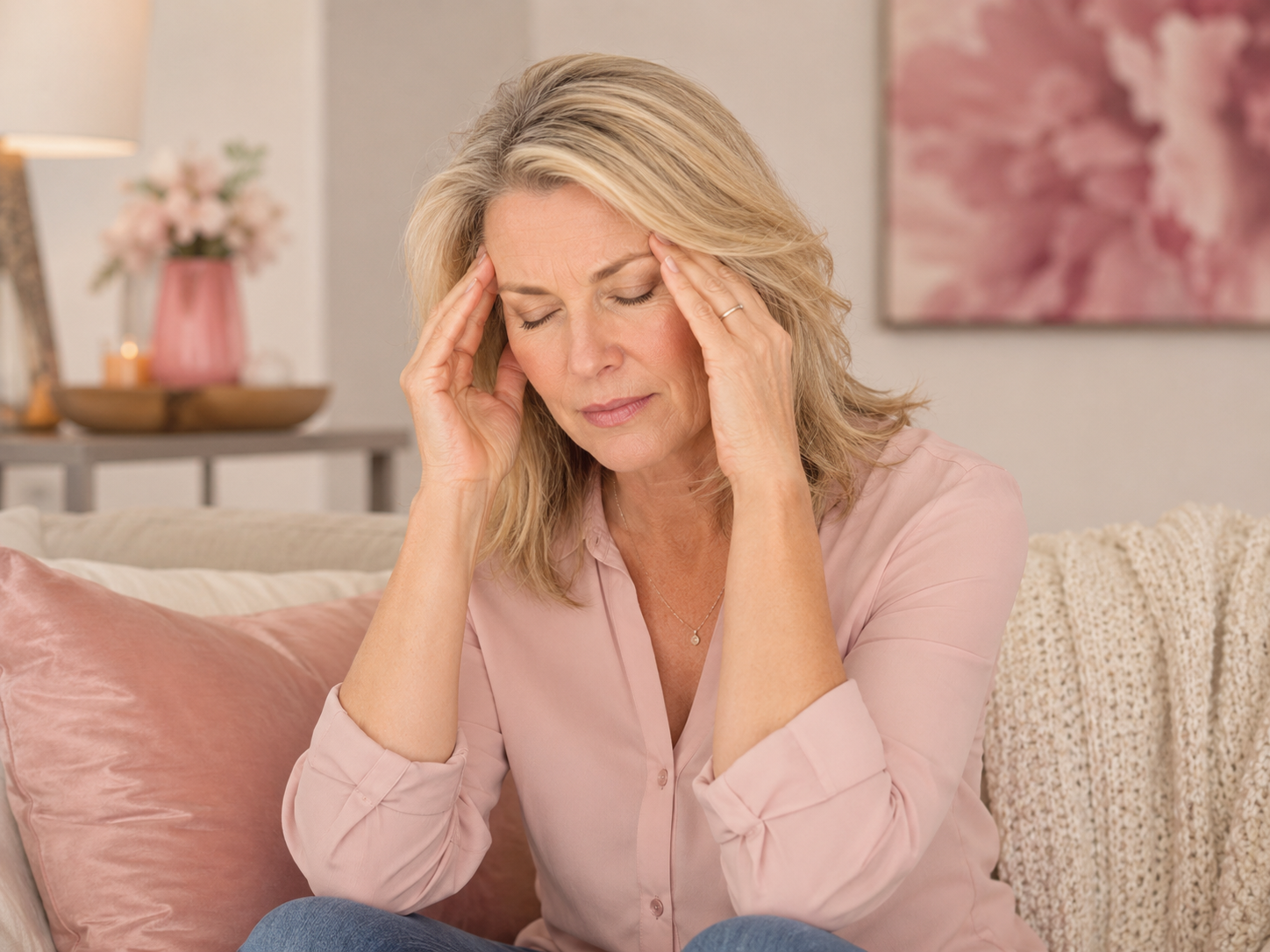
Menopause Fatigue: Quick Answer
Menopause fatigue is a deep tiredness or low-energy feeling that can show up during perimenopause or menopause. It may feel like dragging through the day, needing more recovery time, struggling to focus, or feeling tired even after going to bed.
Menopause fatigue can happen because several changes overlap at once. Hot flashes, night sweats, sleep problems, anxiety, mood changes, stress, hormone shifts, weight changes, and midlife responsibilities can all drain energy. Sometimes the tiredness is mostly from poor sleep. Other times there may be a medical factor that needs attention.
The best first step is to look at the whole pattern. When did the fatigue start? Is sleep broken? Are you waking hot? Are meals steady? Are you under heavy stress? Are there symptoms like dizziness, shortness of breath, hair changes, heavy bleeding, or unexplained weight changes? Those details matter.
Menopause fatigue is common, but severe, sudden, or worsening fatigue should not be ignored. Tiredness can have treatable causes.
Why Menopause Fatigue Can Feel So Heavy
Menopause fatigue can feel different from ordinary tiredness. You may not just feel sleepy. You may feel physically heavy, mentally slow, emotionally flat, or unable to push through the way you once did. That can be discouraging when life still expects you to show up.
One major reason is sleep disruption. Many women in perimenopause and menopause have trouble sleeping through the night. Lower progesterone may make it harder to fall asleep and stay asleep, while estrogen changes can contribute to hot flashes and night sweats. Waking several times can leave you tired during the day.
Menopause fatigue can also connect with emotional load. Anxiety, mood swings, caregiving, work stress, grief, family needs, and body changes all use energy. Even if you are not physically doing more, your nervous system may be working harder.
Brain fog can make fatigue feel worse. When you have to work harder to remember details, stay organized, or finish normal tasks, the day becomes more draining. The tiredness is not always laziness. Sometimes your brain and body are running with fewer resources.
For general information on menopause symptoms, you can review the Office on Women’s Health menopause symptoms guide.
Common Patterns Behind Menopause Fatigue
Menopause fatigue does not always have one cause. These patterns are common and can overlap, so it helps to identify which one sounds most like you.
You feel exhausted, but your body will not relax. This pattern often shows up with anxiety, stress, caffeine, late-night scrolling, or waking in the middle of the night with racing thoughts.
You fall asleep, but hot flashes or night sweats wake you repeatedly. Even if you spend enough hours in bed, the sleep may not feel restorative.
You start the day okay but crash hard by afternoon. Skipped meals, low protein, poor sleep, stress, and blood sugar swings can all play a role.
You feel deeply tired most of the time. This deserves a closer look, especially if it is new, worsening, or paired with symptoms like shortness of breath, dizziness, heavy bleeding, or unexplained weight changes.
Daily Habits That May Help Menopause Fatigue
Menopause fatigue often improves when your body gets steadier signals throughout the day. You do not need an extreme routine. Start with habits that make energy less chaotic.
Build a consistent wake-up time when possible. A steady rhythm can help your body know when to be alert and when to wind down.
Eat protein at breakfast or your first meal so you are not running on caffeine and stress alone.
Get light movement earlier in the day. A short walk can support mood, circulation, blood sugar, and alertness.
Keep water nearby. Dehydration can make headaches, fatigue, and brain fog feel worse.
Protect sleep by cooling the room, reducing night triggers, and keeping a simple bedtime routine.
Lower the number of unnecessary decisions when you are tired. Simple routines can save energy.
Food, Blood Sugar, and Energy Crashes
Food patterns can make menopause fatigue better or worse. If you skip breakfast, drink coffee on an empty stomach, snack randomly, or wait too long between meals, your energy may crash harder later.
Energy Support
- Protein at meals
- Fiber from fruits, vegetables, oats, beans, or seeds
- Steady meals instead of long gaps
- Water earlier in the day
- Balanced snacks when meals are far apart
- Enough food to support your day
Energy Drainers
- Too much caffeine when you are already anxious
- Alcohol that disrupts sleep
- Skipping meals and overeating later
- Very low-calorie dieting
- High-sugar snacks without protein or fiber
- Going to bed hungry and waking restless
A good energy meal does not need to be perfect. Aim for protein, fiber, color, and enough food to feel steady. If fatigue worsens with dizziness, shakiness, thirst, frequent urination, or unusual hunger, ask a healthcare provider about blood sugar and other possible causes.
Movement Without Burning Yourself Out
Menopause fatigue can make exercise feel impossible, but gentle movement can still help when it is matched to your energy level. The goal is not to punish your body. The goal is to remind your body that it is safe, strong, and supported.
Walking, stretching, beginner strength training, light yoga, or short resistance-band sessions can all count. If you are exhausted, start smaller than you think you should. Five to ten minutes is still a start.
Strength training is especially helpful in midlife because muscle supports metabolism, bones, blood sugar, balance, and daily function. You do not need to train hard every day. Two or three gentle strength sessions per week can be a realistic place to begin.
If exercise makes fatigue dramatically worse, causes chest pain, dizziness, fainting, or unusual shortness of breath, stop and talk with a healthcare provider.
When Menopause Fatigue Needs a Doctor Visit
Menopause fatigue should be checked if it is severe, sudden, worsening, or affecting your ability to work, drive, care for yourself, or manage normal daily responsibilities. Tiredness can come from menopause, but it can also come from treatable health problems.
Ask a healthcare provider about fatigue that comes with heavy bleeding, shortness of breath, chest pain, dizziness, fainting, unexplained weight change, hair loss, feeling cold, low mood, snoring, waking gasping, or extreme daytime sleepiness.
A provider may check thyroid function, anemia, vitamin B12, vitamin D, blood sugar, medication side effects, sleep apnea risk, depression, anxiety, and other causes. The goal is not to overreact. The goal is to stop blaming yourself for something that may need treatment.
If hot flashes, night sweats, or insomnia are driving your menopause fatigue, your provider can also discuss symptom treatment options, including lifestyle steps, nonhormonal options, or hormone-related conversations depending on your health history.
Seek urgent care for fatigue with chest pain, trouble breathing, fainting, sudden weakness, confusion, severe depression, or symptoms that feel dangerous.
You are not lazy. Your body may be asking for support.
Menopause fatigue can make you feel like you are failing, but low energy is information. Start with sleep, steady meals, gentle movement, stress support, and medical guidance when tiredness feels bigger than normal.
Important Health Note
This page is for educational purposes only and should not replace medical advice, diagnosis, or treatment. Menopause fatigue can overlap with anemia, thyroid problems, sleep apnea, depression, anxiety, medication effects, blood sugar changes, and other health concerns, so a qualified healthcare provider should evaluate severe, sudden, ongoing, worsening, or concerning symptoms.
This website may include affiliate links. If you purchase through certain links, Midlife Comfort Lab may earn a small commission at no extra cost to you. You can review the Privacy Policy and Amazon Affiliate Disclosure for more information.